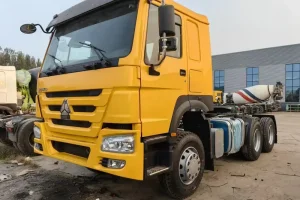
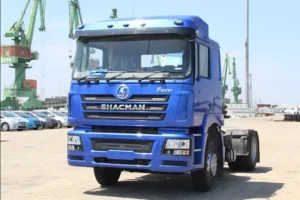
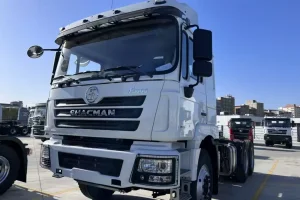
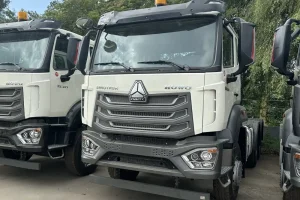
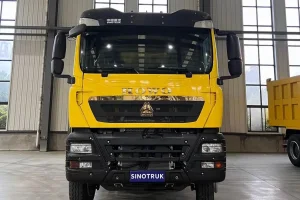
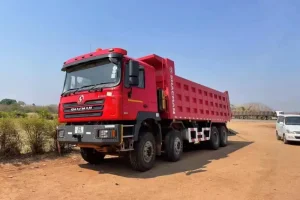
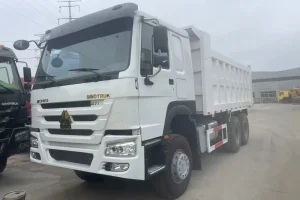
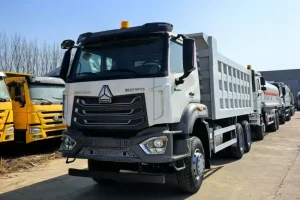
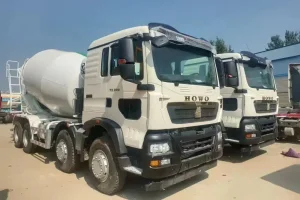
As a global nexus of technological innovation and logistics excellence, the Seoul Metropolitan Area—encompassing Gyeonggi Province and Incheon—represents one of the most demanding markets for heavy-duty tractor manufacturers and exporters. The convergence of "K-Logistics" and high-speed infrastructure development has created a unique semantic shift in how "tractor" capability is defined: it is no longer just about raw horsepower, but about Intelligent Haulage Systems (IHS) and Euro-compliant emission standards.
Seoul acts as the brain of South Korea's industrial body. With major ports like Incheon and Pyeongtaek serving as the gateway to the Yellow Sea, the demand for high-reliability tractor units (trailer heads) has surged. Manufacturers are now focusing on units that can handle the seamless transition from massive container terminals to dense urban logistics centers. This necessitates tractors with 4x2 and 6x4 configurations that offer both high-torque for heavy loads and advanced maneuvering technology for Korea’s sophisticated expressway networks.
Square Meters Production Base
Expert Engineering Staff
Global Strategic Markets
Years Industry Authority
The global tractor market is undergoing a paradigm shift. In Seoul, the focus is increasingly on dual-fuel systems and hydrogen-ready chassis. However, for the primary heavy-duty export sector, the reliability of diesel engines like the Weichai WP12 and the fuel efficiency of Sinotruk’s MC series remains the gold standard. We are seeing a 15% annual increase in demand for "Smart Cabins," where telematics allow fleet managers to monitor fuel consumption and driver fatigue in real-time—a crucial factor for the long-haul routes connecting Seoul to the southern industrial hubs of Busan and Ulsan.
Our manufacturing philosophy is rooted in the Factory 4.0 standard. For the Seoul market, this means precision engineering that matches South Korea's rigorous safety and environmental standards. Our supply chain resilience is built on three pillars:
By integrating ODM and OEM services, we allow Korean logistics giants to customize their fleet’s technical specifications—from the wheelbase to the cabin's ergonomic layout, ensuring that every tractor unit is a bespoke tool for specific industrial tasks.
When sourcing tractors for the Seoul market, price is a "hygiene factor," but Total Cost of Ownership (TCO) is the differentiator. Our Factory 4.0 approach ensures that the "residual value" of our exported tractors remains high due to the use of high-tensile steel and robotic welding processes that prevent chassis fatigue over 1 million kilometers.
Explore our flagship tractor units via our 3D interactive portal
While our focus is the Seoul market, our tractor units are engineered for global versatility. In the Seoul metropolitan logistics hub, our Sinotruk HOWO 6x4 models are predominantly used for heavy container haulage. However, the same units demonstrate exceptional resilience in diverse environments:
Our latest models are designed to meet Euro V and Euro VI standards, ensuring full compliance with South Korea’s environmental regulations for heavy-duty vehicles.
Yes, through our strategic partnerships, we offer 24-hour technical consultation and have access to local maintenance hubs for rapid parts replacement.
For customized tractor configurations, lead times range from 30 to 45 days, depending on the complexity of the Factory 4.0 integration requirements.
Absolutely. We offer live video tours and a 360-degree VR experience of our Deyang production facility to provide full transparency into our quality control processes.

Detailed demand analysis for cargo types and routes.

24-hour consultation and driver training programs.

Rigorous inspection and exterior/interior conditioning.

Clear policies with comprehensive scope and duration.
Precision-Engineered for the Seoul Industrial Sector

Analyzing the performance of the 430HP Weichai engine in Korean urban environments.
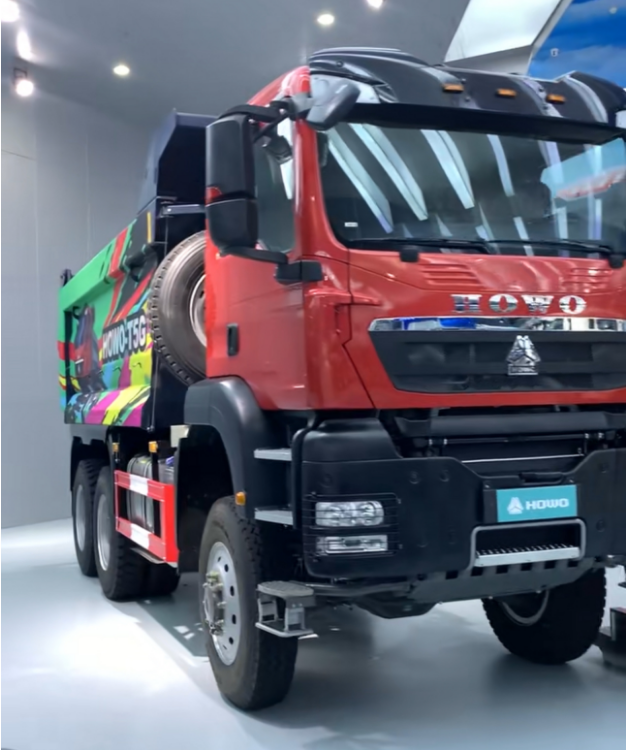
How Sinotruk and Shacman are integrating AI to lower operational costs in Seoul.
Strategies for maintaining heavy-duty fleets during global logistical disruptions.
 Hongkai Auto