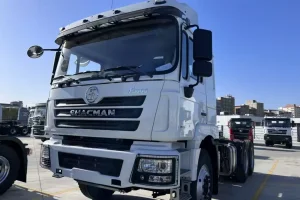
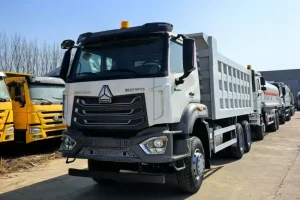
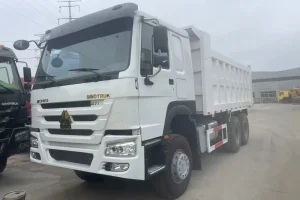
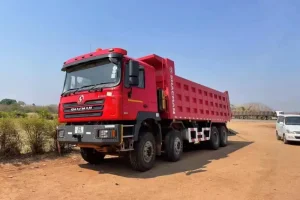
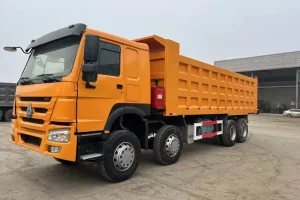
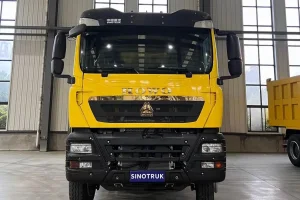
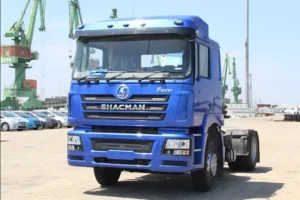
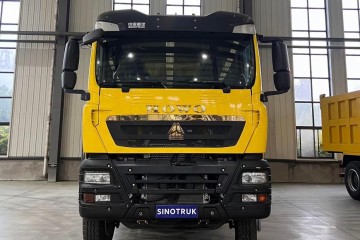
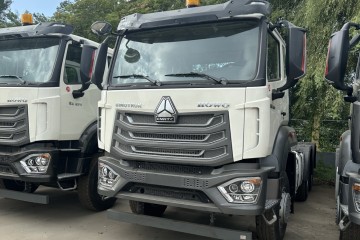
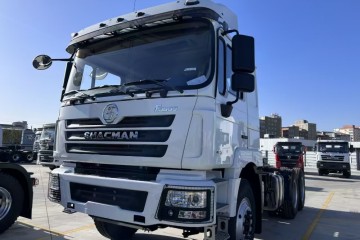
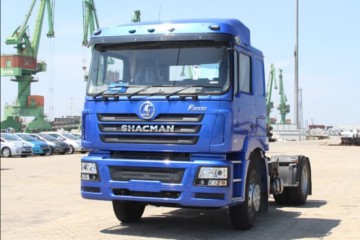
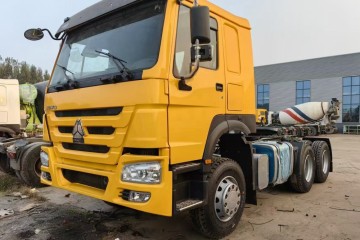
In the high-stakes world of heavy-duty logistics and mining, the request to buy truck brakes from a manufacturer is more than a procurement task—it is a critical safety and financial decision. Modern braking systems for heavy-duty trucks (Sinotruk, Shacman, etc.) have transitioned from simple mechanical friction components to integrated intelligent safety nodes. This white paper explores the macro-economic drivers, technical roadmaps, and global sourcing strategies essential for fleet operators and industrial companies.
The global truck brake market is currently valued at approximately $4.5 billion, with a projected CAGR of 5.2% through 2030. This growth is driven by the rapid expansion of e-commerce logistics in Southeast Asia and Africa, alongside intensified mining activities in South America. For companies looking to source from truck brake companies, the shift toward "Total Cost of Ownership" (TCO) over "Initial Purchase Price" is defining market leadership.
The technical trajectory of truck braking is split into three core phases:
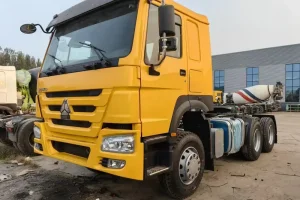
Tailored solutions for long-haul tractors operating in extreme temperatures. Our braking systems are tested for Lagos-Dakar cross-border routes, ensuring reliability in high-humidity and dusty environments.
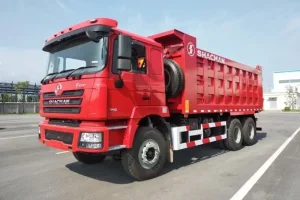
Heavy-duty dump truck braking components designed for maximum torque and payload capacity. Focus on thermal stability for steep-grade descents in Zambian and Angolan mining sites.
Providing custom-label manufacturing for global distributors. We align with European ECE R90 and US DOT standards to ensure seamless entry into regulated markets.
Navigating the regulatory landscape is a primary hurdle when you decide to buy truck brakes from international companies. At Deyang Hongkai Auto Trading Co., Ltd., we emphasize CE Certification and compliance with local road safety mandates. Our 20-year history in Sichuan, China, has evolved into a sophisticated export network serving 20+ countries, providing not just parts, but localized technical training for maintenance crews in regions like Kampala, Nairobi, and Johannesburg.
The future of truck braking lies in regenerative braking systems for EV trucks and "Brake-by-Wire" technology for autonomous fleets. As trucks move toward Level 4 autonomy, the braking system requires redundant electronic fail-safes. Manufacturers are now investing heavily in electromagnetic retarders that complement traditional air brakes to extend service life and reduce environmental dust emissions.
"Managing a Lagos delivery fleet, we need trucks that handle urban traffic and rural routes. This model's agility and reliability keep our deliveries on time."
— Lagos Fleet Manager"Running a mining supply business in Zambia, our trucks haul heavy equipment daily. The payload capacity and braking torque make our operations efficient."
— Mining Operations Director"As a mechanic in Johannesburg, I see many brands. Sinotruk's engine and braking robustly handle Africa's dusty conditions without frequent repairs."
— Senior Fleet MechanicA: Ensure the manufacturer holds ISO/TS 16949 for quality management. For specific markets, ECE R90 (Europe) or DOT (USA) compliance is mandatory for safety insurance.
A: Ceramic pads offer quieter operation and less dust but may have lower heat conductivity than semi-metallic pads, which are preferred for extreme heavy-duty hauling due to better heat dissipation.
A: In mining or construction, inspections should occur every 10,000-15,000 miles. For standard highway haulage, every 30,000 miles is typical, depending on load weights.
A: Yes, we offer ODM/OEM services, leveraging our 211,000 sqm facility to produce components tailored to specific regional road conditions and load requirements.
 Hongkai Auto